
Non Traditional Construction Surveys
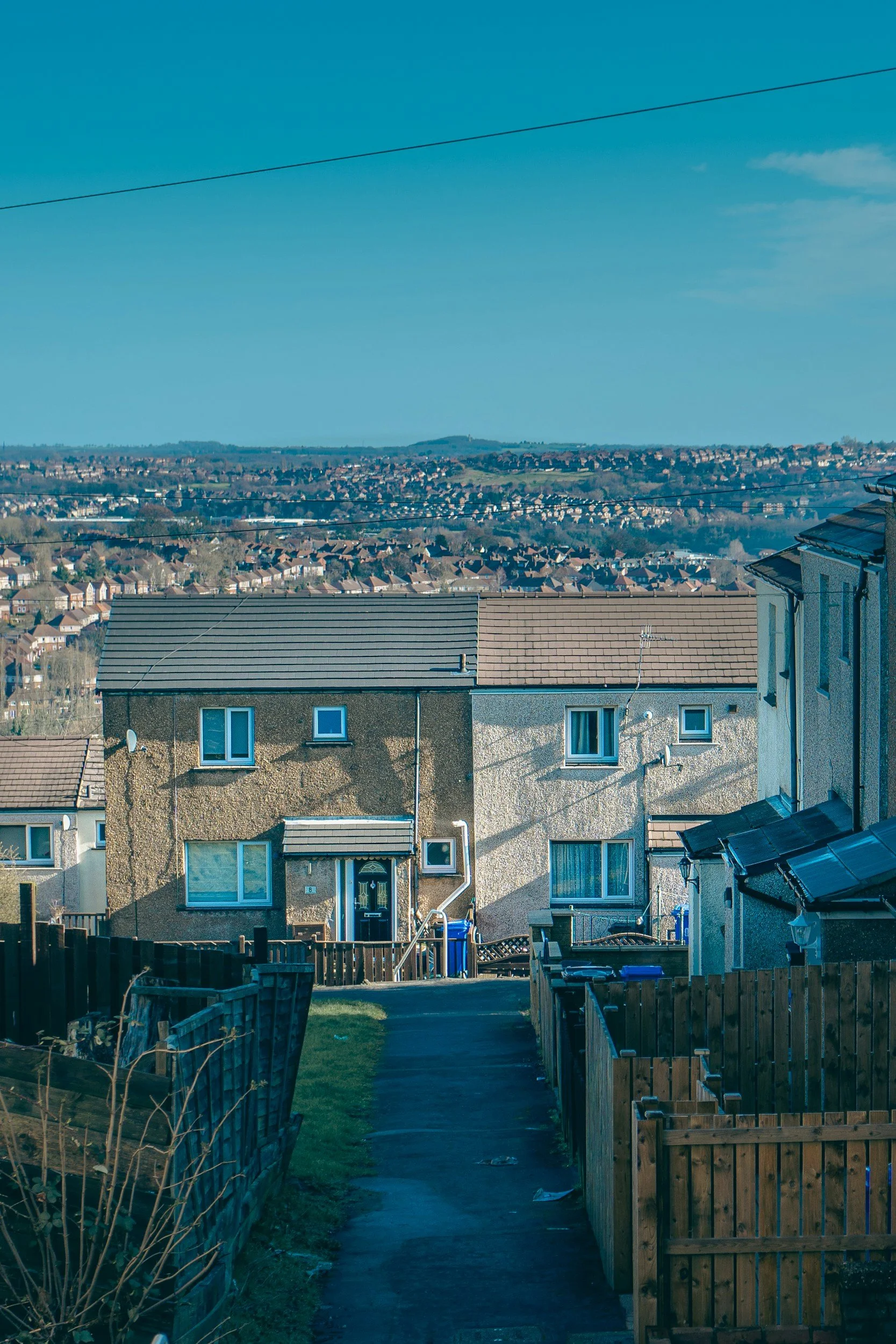
Non-traditional construction homes require specialist knowledge to assess safely and accurately, as their materials, structural systems and long-term performance differ significantly from conventional masonry-built properties. Our Non-Traditional Construction Surveys provide a clear, reliable understanding of the building type, typical defects, and any structural or durability risks present, giving homeowners, buyers and lenders confidence in the property’s stability.
These surveys go beyond a standard inspection by combining technical expertise with targeted investigative methods. Where necessary, we carry out intrusive checks, boroscope examinations and material sampling to assess concealed elements such as steel stanchions, panel integrity or areas vulnerable to corrosion, movement or deterioration. All inspections follow current BRE guidance to ensure consistency, accuracy and lender approval.
Our reports are designed to be practical, transparent and easy to follow. We identify the construction type, outline its known limitations, highlight any defects found during inspection and provide clear recommendations for repair, improvement or further investigation. Where helpful, we also include budget estimates to support financial planning or mortgage applications.
With extensive experience across a wide range of non-traditional property types - including Airey, BISF, Reema, Wates, Unity, Orlit and Wimpey No-Fines - Result Surveying delivers the specialist insight required to make informed decisions. Whether purchasing, refinancing or seeking reassurance on structural condition, our surveys help you understand risk, plan confidently and protect your investment.
Request a call back
Leave your name and number and we’ll call you for a no obligation chat about how we can help.
Frequently Asked Questions…
Our Non Traditional Construction Surveys include:
Intrusive Inspection Options – Including boroscope checks for concealed steelwork and high-risk areas.


Repair & Remediation Advice – Practical guidance on appropriate repair methods and condition risks.

Costed Recommendations – Approximate budget costs for noted defects and remedial works.

Construction Type Identification – Clear confirmation of the building system and known risks.


Defect Detection – Identification of common failure points associated with each construction type.

Structural Assessment – Review of load-bearing elements, movement, and stability.
